
Why Your HVAC Website Needs to Earn Trust Before the First Call
Homeowners in Saskatchewan do not browse casually — they call when something breaks. Here is how PolarDraft HVAC turned a dated site into a trust engine that converts panic into booked service calls.
 Photo: Unsplash
The phone rings at minus thirty
When a furnace dies in Regina or Saskatoon, nobody opens twelve tabs and compares aesthetic preferences. They search, they scan, and they call whoever looks competent enough to show up tonight. That is the reality PolarDraft HVAC operates in — and it is exactly why their old website was costing them calls it never knew about.

We rebuilt getpolardraft.com around a simple question: what does a stressed homeowner need to see in the first eight seconds? Not a carousel of stock photos. Not a paragraph about "commitment to excellence." They need proof you exist locally, proof you handle emergencies, and a phone number they can tap without hunting.
Trust signals that actually matter for HVAC
Generic trust badges mean nothing if your service area is vague. PolarDraft's site now leads with Saskatchewan-specific language — cities served, response expectations, and seasonal maintenance reminders that sound like a neighbour giving advice, not a brochure.
- Visible emergency contact — sticky on mobile, impossible to miss when thumbs are cold and patience is thin.
- Real service categories — furnace repair, AC install, duct cleaning — each with plain-language descriptions homeowners actually search for.
- Local proof — service area maps, seasonal tips for prairie winters, and copy that mentions Saskatchewan without feeling forced.
- Fast load times — on rural connections, a slow site feels like a company that might not answer.
Trust on a service website is not built with adjectives. It is built with clarity, speed, and evidence that you understand the problem before they explain it.
What changed after launch
PolarDraft reported shorter call-screening conversations because callers already understood services and coverage. That is the hidden ROI of trust-first design: fewer "do you even service my area?" questions and more booked appointments.
Small details that compound trust
We also paid attention to the things homeowners notice subconsciously: consistent technician photography instead of random stock faces, a footer that lists real Saskatchewan communities rather than vague "greater area" language, and service pages that explain what happens during a call — dispatch, diagnosis, quote — so the process feels predictable before it starts.
Trust is cumulative. One weak page will not sink you, but a pattern of vagueness will. When every touchpoint reinforces the same story — we are local, we are responsive, we know prairie homes — the website stops being a brochure and starts being your best salesperson at two in the morning.
If your HVAC site still reads like it was written for other contractors, not for homeowners standing in a cold kitchen, it is worth a honest audit. We help Saskatchewan service businesses fix that — reach out to Scarlett Studio and we will walk through what your site is saying before you ever pick up the phone.
Ready to grow your brand?
Explore our services, Regina local pages, or start a conversation — we build for businesses across Canada.
Continue reading
 Marketplace
Used Cars Tisdale: Buy & Sell Vehicles in Saskatchewan
Tisdale, SK guide to used cars: Kijiji, Facebook Marketplace, buy and sell tips — plus a link to our Saskatchewan Private Marketplace.
Read article Marketplace
Used Furniture Tisdale: Where to Buy & Sell in Saskatchewan
Tisdale, SK guide to used furniture: Kijiji, Facebook Marketplace, buy and sell tips — plus a link to our Saskatchewan Private Marketplace.
Read article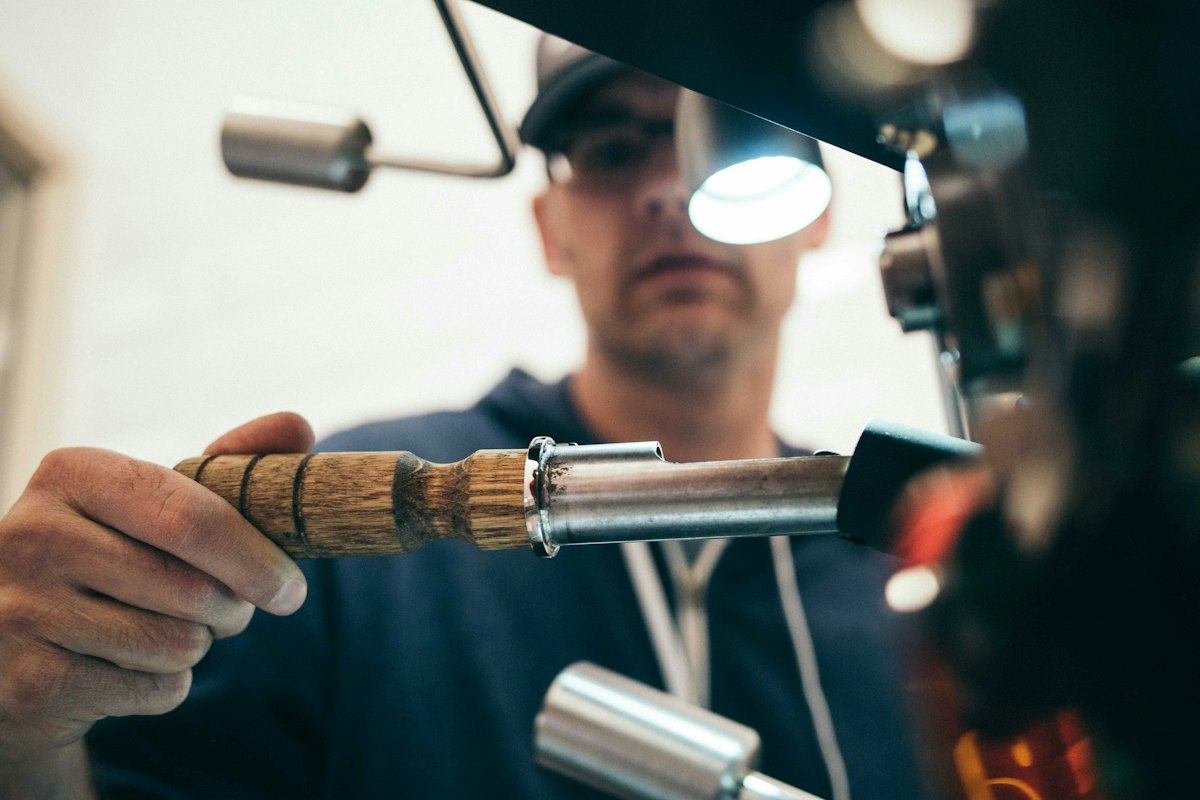 Marketplace
Buy and Sell in Tisdale: Local Marketplace Tips for SK
Tisdale, SK guide to buy and sell: Kijiji, Facebook Marketplace, buy and sell tips — plus a link to our Saskatchewan Private Marketplace.
Read article